The miftah School is a transformative learning ecosystem designed to nurture every child’s potential from ages 3 through 18. As a pioneering educational institution, miftah School combines accessibility, affordability, and academic excellence across a continuum of learning experiences. Our school aim to serve diverse communities — from urban to rural areas — through a carefully integrated approach that removes traditional barriers to quality education. We believe that every child, regardless of their socioeconomic background, deserves an education that honors their identity, develops their talents, and prepares them for meaningful lives of agency and impact. Through a blend of home-based learning programs, hybrid instructional models, and our residential campus, miftah School creates pathways that meet children where they are developmentally and empower them to become confident learners, ethical leaders, and compassionate changemakers.
Core Values and Operational Philosophy
- Equity in Access: Ensuring that geography, income, or social status never determines a child’s educational opportunity
- Dignity and Identity: Honoring each child’s cultural background, language, lived experience, and family wisdom
- Evidence-Based Learning: Continuously measuring outcomes, adapting practices, and using data to improve student experience
- Universal Belonging: Creating inclusive spaces where every learner feels valued, seen, and capable of success
- Community Connection: Rooting education in local contexts and real-world challenges that matter to students
- Leadership Development: Cultivating not just academics, but ethical thinking, social responsibility, and agency
Early Childhood Education
Flexible, Home-Based Play-Centered Learning
Foundation Learning through Flexible, Home-Based Programs
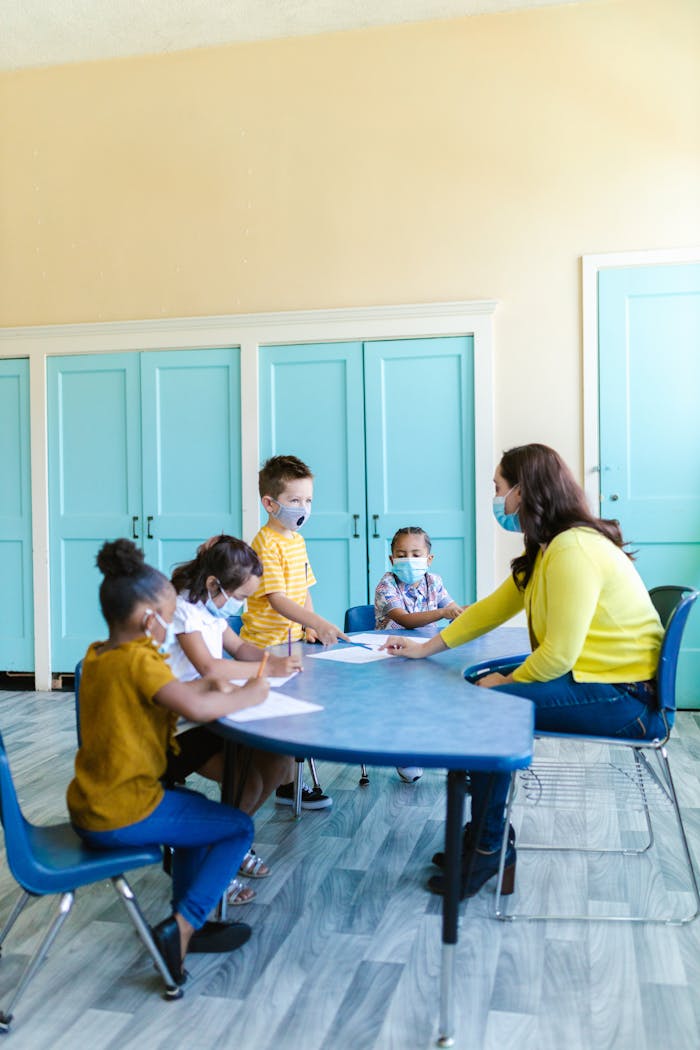
Our Early Childhood Mode serves children aged 3–6 with play-based learning delivered through flexible, affordable programs in homes and community centers. We provide carefully designed learning kits, trained facilitators, and digital support to ensure every child has access to quality early education regardless of location or family income.
- Annual Fee: ₹6,000 per child (not reusable, dedicated to one learner each year)
- Delivery Model: Home, community centers, or NGO-led groups
- Facilitators: Any literate adult—parent, guardian, local teacher, or NGO worker
- Content: Physical kit with play-based activities, printed guides, and video tutorials in regional languages
- Approach: Play-based, project-driven, values-oriented early learning
- Assessment: Simple, low-stakes, facilitator-conducted tracking
- Outcome: School-readiness and smooth transition to Grade 1
Primary Education (Grades 1–05)
Hybrid, Project-Based Learning with Personalized Mentorship
Personalized Learning Through Hybrid Instruction
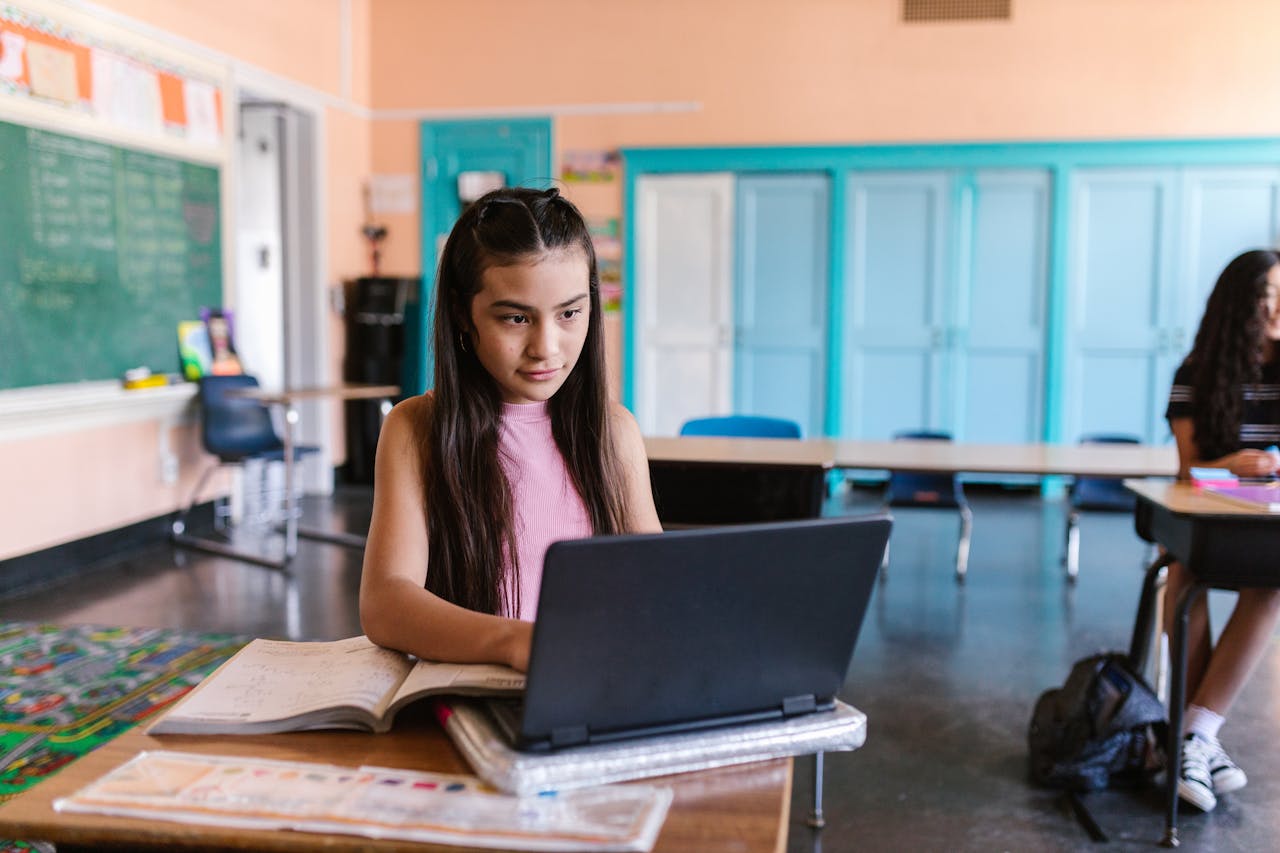
Our Elementary & Middle Learning Mode serves students in Grades 1–5 with a personalized, hybrid approach combining online learning modules with project-based learning in their communities. Students work with mentors and educators to develop strong academic fundamentals while engaging in real-world projects that connect learning to their lives.
- Learning Model: Hybrid (online modules + offline community projects)
- Approach: Project-based, inquiry-driven, hands-on learning
- Facilitators: Parents, NGOs, local educators, or individual learners
- Content: Digital learning resources, project guides, real-world challenges
- Assessment: Biannual centralized assessments, continuous progress tracking
- Cost: Significantly reduced through technology; exact pricing to be finalized
- Outcome: Deep conceptual understanding, problem-solving skills, readiness for campus-based SCHOOLER
Secondary Education (Grades 6–12)
Residential, Holistic Learning with Leadership Development and Enterprise
Residential Learning with Leadership, Enterprise, and Global Perspective
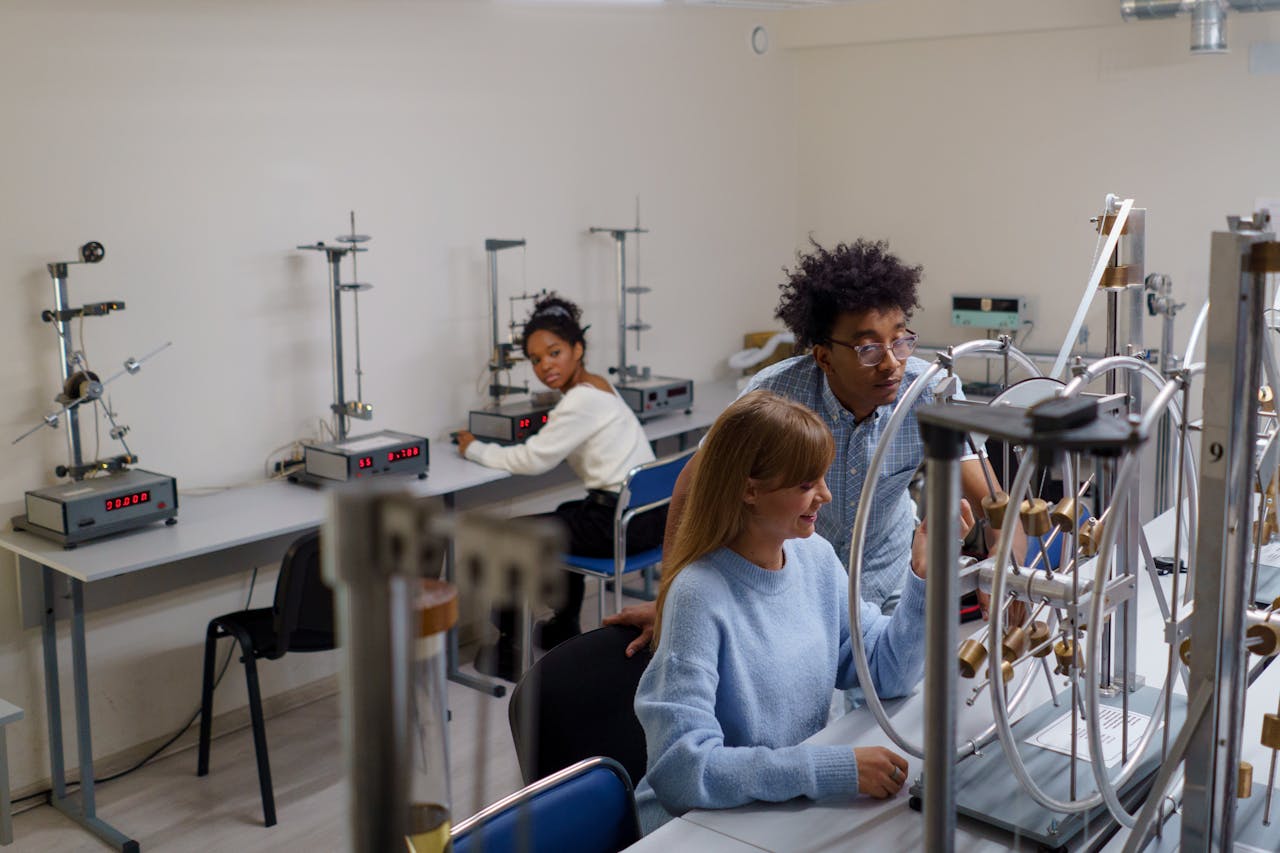
Our Secondary Learning Mode serves students in Grades 6–12 in our residential campus setting. Students live and learn in a vibrant community organized into small houses that serve as centers for personalized academic work, leadership development, entrepreneurship, and values-based learning. This mode combines rigorous academics with real-world application, preparing students for higher education and meaningful careers.
Core Features:
- Setting: Full-boarding schools with eco-friendly, sustainable campus design
- House System: Small learning communities organized by interest, faith, values, or gender, each with dedicated mentors
- Sponsorships: Each house is sponsored by companies/donors, providing resources and exposure to professional environments
- Student Businesses: Every house runs a small enterprise—students learn operations, marketing, finance, and entrepreneurship while generating funds for school sustainability
- Curriculum: Rigorous academics merged with practical skills, project-based learning, and community engagement
- Values: Strong emphasis on ethics, social responsibility, leadership, and personal development
- Admission: No entrance tests; all BLENDER graduates are automatically welcomed
- Cost: Free for students; sustained through house sponsorships, student enterprises, and donations
- Integrated Continuum from Ages 3–18: Unlike traditional educational systems that operate in silos, miftah School maintains a coherent pedagogical vision across all age groups, ensuring smooth transitions and consistent values
- Flexible Delivery Models: We reach children in diverse geographic and socioeconomic contexts through home-based, hybrid, and residential programs—making quality education accessible where and how families need it
- Evidence-Driven Improvement: Every program is measured, analyzed, and refined based on real student outcomes and feedback
- Affordable at Scale: By reimagining infrastructure requirements and leveraging technology and community partnerships, we make quality education affordable for all families
- Community-Embedded Learning: Education is not isolated in classrooms; it connects to real community challenges, local knowledge, and family wisdom
- Teacher and Facilitator Empowerment: We train, support, and equip educators—whether traditional teachers, community facilitators, or parent mentors—with the resources and autonomy to serve students effectively
- Student Agency and Leadership: Across all approaches, students develop not just academic competence but genuine agency, voice, and capacity to lead their own learning and their communities